

How We Work on Garage Doors
How a garage door job usually goes, the safety and code rules behind it, and how to get the space ready.
Every garage door job, from a single spring to a new door, follows the same basic order. Knowing it helps you plan the day: how long the garage will be out of use, what needs to be moved, and what a finished door should do before the technician leaves.
How a Job Goes
- AssessmentThe door, the springs, the cables, the tracks and the opener are looked over together, because one worn part often strains the others.
- OptionsYou hear what is wrong, what it takes to fix it and, where it applies, whether a repair or a new door makes more sense.
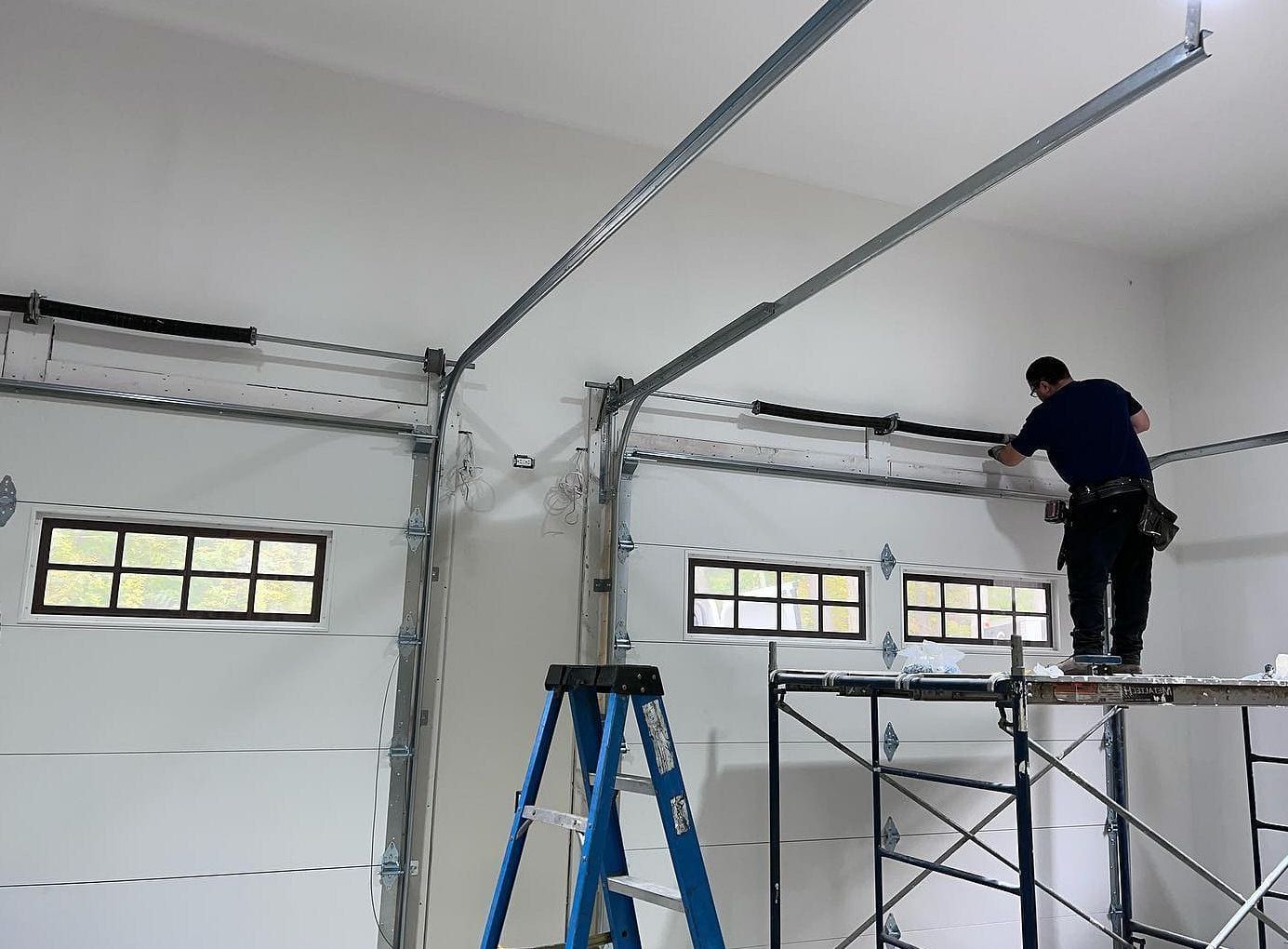
- The workParts are replaced or adjusted with the door secured, so it cannot drop while springs or cables are loose.
- TestingThe door is run up and down, its balance checked by hand, and the opener’s safety reverse and sensors tested.
Safety and Code Rules
| Rule | Why it matters | What it means for your door |
|---|---|---|
| Spring work needs trained hands | A wound spring stores enough force to injure | Spring and cable work is never a do-it-yourself job |
| Auto-reverse on openers | An opener must stop and reverse when the door meets resistance | The force setting is tested after any opener work |
| Photo-eye sensors | Required on residential openers since the 1990s | Both sensors mounted low, aimed at each other, lights steady |
| Wind-load rated doors and Miami-Dade product approval | Hialeah is in a high-velocity hurricane zone | A replacement door carries an approval for your house’s wind pressure |
| Permits for door replacement | The county inspects the new door and its anchoring | A permit is pulled before a door is replaced |
| Homeowner association rules | Many communities set door style and color | Check with the association before choosing a door |
Getting the Garage Ready
A clear garage makes for a quicker visit. Move cars out if the door still works, clear about three feet along both walls by the tracks, and keep the space under the door clear. If the garage is packed to the ceiling at the back, the opener and the horizontal tracks need room too.
Visit Prep Checklist
Tick what applies to your door.
What a Finished Job Should Check
- Door balance: lifted halfway by hand, the door stays put.
- Smooth travel, with no grinding, jerking or rubbing at the sides.
- Auto-reverse: the door reverses when it meets resistance on the way down.
- Photo-eye sensors: the door reverses when something crosses the beam.
- The manual release disconnects and reconnects as it should.
- The remote and the wall control both respond.
Permit and Price Questions
Do I need a permit, and does hurricane code apply to a new garage door in Hialeah?
Yes to both, in most cases. Replacing a garage door in Miami-Dade County generally needs a building permit and an inspection, and the new door must carry a Miami-Dade product approval for the wind pressure your house is designed for. Doors with windows need impact-rated glass in most locations.
Repairs that keep the existing door, such as new springs, rollers or an opener, normally do not need a permit.
How is the price of a job worked out?
It depends on the door and what it needs: the size and weight of the door, the parts, and whether anything else turns up once the door is looked at. That is why the cost is talked through once the door has been seen, before any work starts.
Ready When You Are
Book a visit on the form, or call and tell us what the door is doing.