

Garage Door Opener Repair and Replacement in Hialeah
Openers, remotes, keypads and safety sensors: what each symptom usually means, and when an opener is worth fixing.
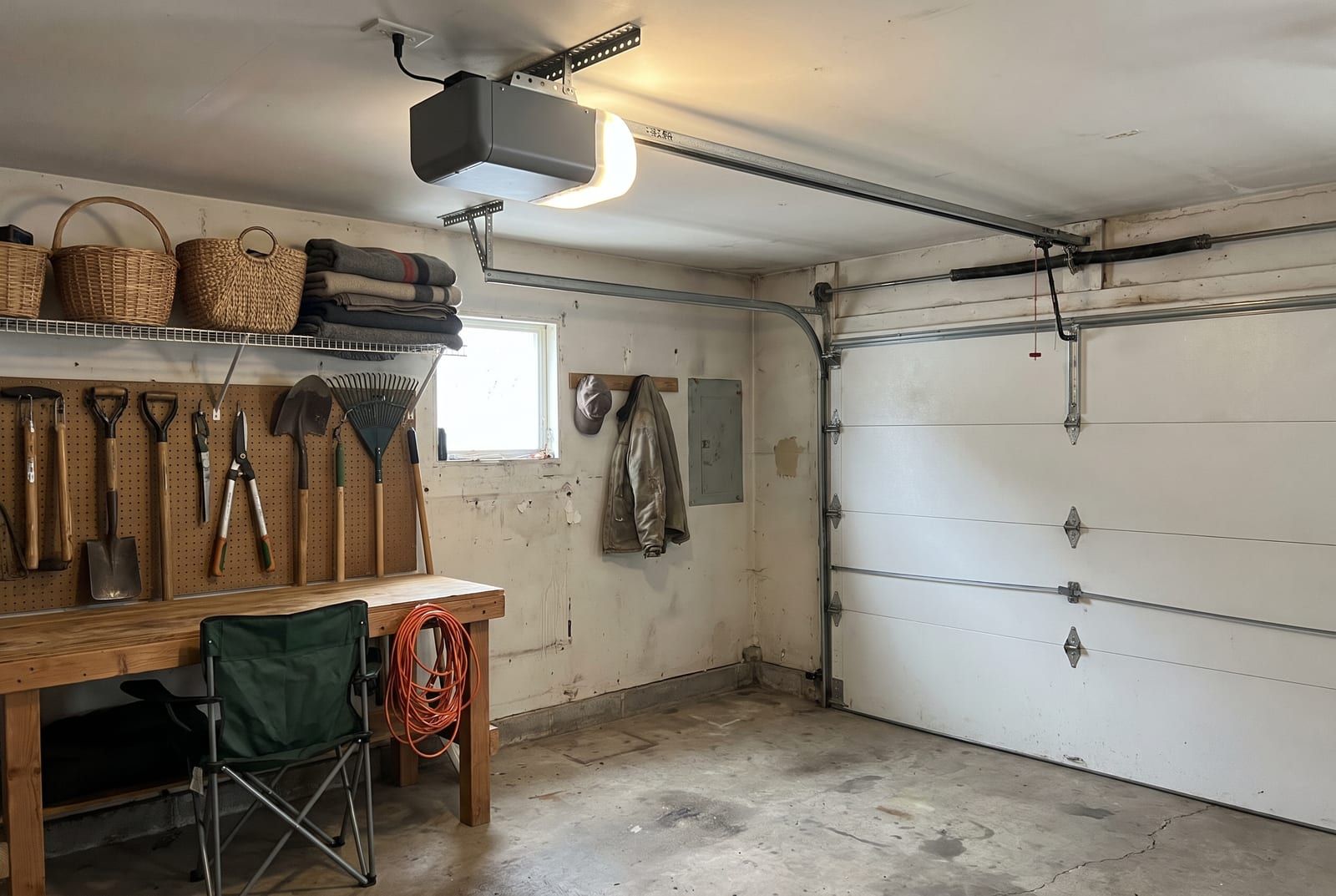
An opener does less work than most people think. The springs carry the weight of the door; the opener only drives it along the rail and stops it safely. So when the opener struggles, the first question is whether the door itself is balanced. A door with a weak spring will wear an opener out, and a new opener on an unbalanced door will not last either.
Repair or Replace the Opener
Most opener problems are small: a sensor out of line, a worn gear, a loose chain, a remote that lost its pairing. These are repairs. Replacement makes sense when the motor or the circuit board fails on an older unit, when the opener has no photo-eye sensors at all, or when a heavier new door needs a stronger drive.
| Drive type | How it works | Noise level | Best suited to |
|---|---|---|---|
| Chain drive | A metal chain pulls the trolley along the rail | The loudest of the three | A detached garage or one away from the bedrooms |
| Belt drive | A reinforced rubber belt in place of the chain | Quiet | A garage under or beside a bedroom |
| Screw drive | A threaded steel rod turns to move the trolley | In between | Few moving parts; heavier doors |
| Wall-mount (jackshaft) | A motor on the wall turns the torsion shaft directly | Quiet | High ceilings and garages with storage overhead |
What the Symptoms Usually Mean
| Symptom | Likely cause | Repair or replace |
|---|---|---|
| Motor hums but nothing moves | Broken spring, stripped gear or a jammed trolley | Repair: check the springs first |
| Door reverses before it closes | Photo-eye sensors out of line or dirty, or the close force set wrong | Repair |
| Remote works only up close | Weak battery, or an antenna bent or hidden | Repair |
| Opener runs, chain slaps or skips | Loose or stretched chain | Repair |
| Opener is very old and keeps failing | Worn motor and board, no modern safety features | Replace |
| Nothing works, no light | No power at the outlet, or the board has failed | Check the outlet first; then repair or replace |
Before the Visit
- Check that the opener is plugged in and the outlet has power.
- Put a new battery in the remote.
- Wipe and realign the photo-eye sensors near the floor on each side.
- Find the brand label on the motor unit and note what it says.
- Try the wall button to see whether it behaves like the remote.
Openers in Hurricane Season
Summer storms and hurricane season bring power cuts, and an opener without power is a door you have to lift by hand. A battery backup keeps the opener running through a short outage; many newer openers have a slot for one. Without it, the red manual release cord on the trolley lets you disconnect the door and open it by hand, as long as the door is closed and the springs are intact.
Once the power is back, pull the door down by hand and run the opener; it reconnects to the trolley on its own on most models.
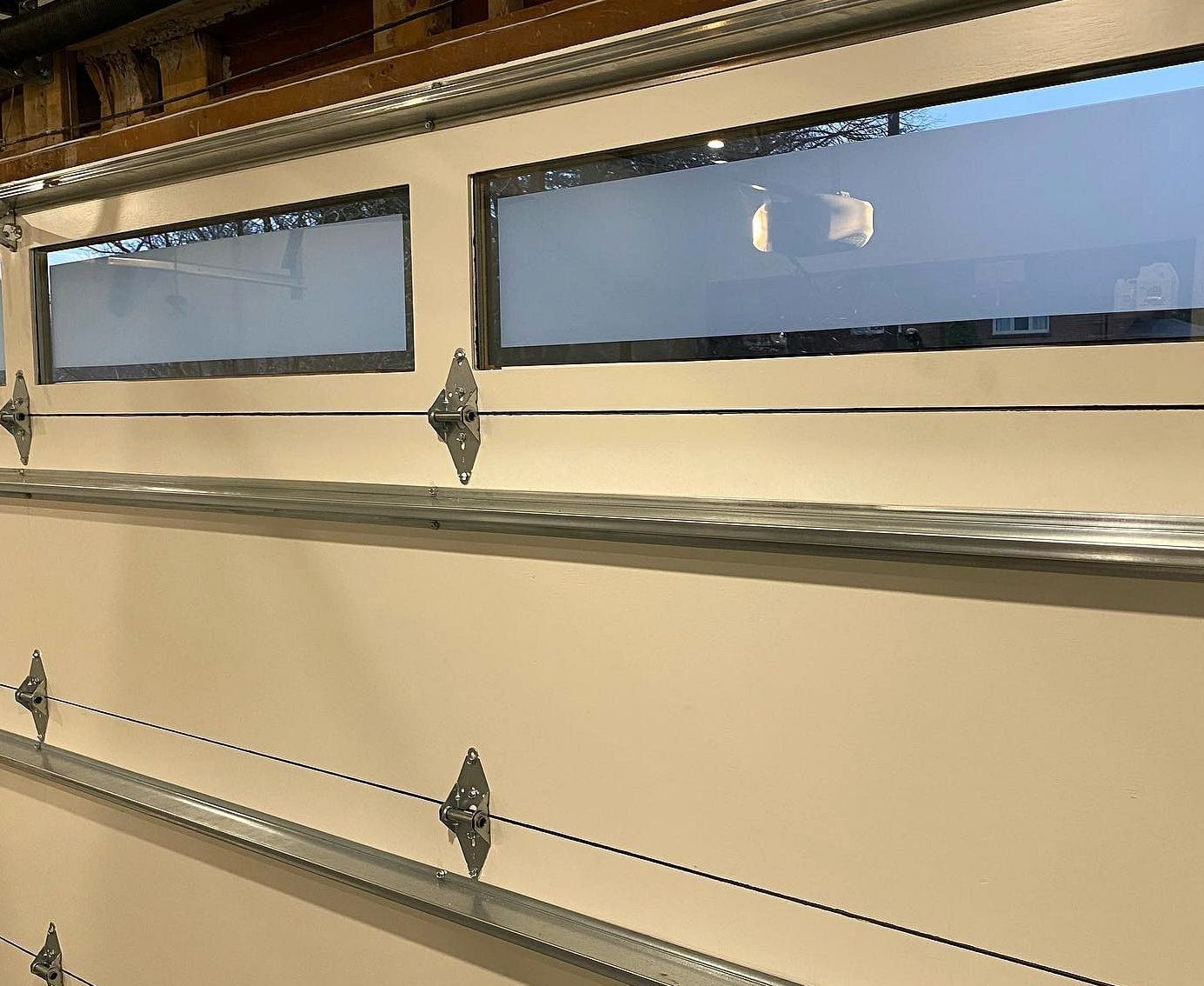
The sensors and the rail are only half of it. The hinges, rollers and struts on the door decide how smoothly the opener can move it, so they are worth checking whenever an opener struggles.
Remote and Keypad Questions
My remote or keypad stopped working. Does it need reprogramming?
Start with the battery: a weak one is the most common reason a remote only works close to the door. If a new battery does not help, the remote may have lost its pairing with the opener, which happens after a power cut or when the opener’s board is replaced.
Most openers have a learn button on the motor unit for pairing remotes and keypads. If the remote is very old, it may not speak to a newer opener at all, and a matching remote is the fix.
Book an Opener Visit
Choose Opener, Remote or Keypad on the form, and add the brand from the motor label if you have it.